What are PFAS?
PFAS are manufactured chemicals that have been used in industry and consumer products since the 1940s. Because of their widespread use and their persistence in the environment, many PFAS are found in the blood of people and animals all over the world. There are thousands of different PFAS, some of which have been more widely used and studied than others.
Where are PFAS Found?
Most people in the United States have been exposed to PFAS. People can be exposed to PFAS by touching, drinking, eating, or breathing in materials containing PFAS. Very little of the PFAS in water can get into our body through your skin, so showering, bathing, and washing dishes in water containing PFAS are unlikely to significantly increase your risk. PFAS may be present in:
Drinking Water
Drinking water contaminated by other sources of PFAS.

Consumer Products
Stain- or water-repellent, or non-stick products, paints, sealants, and some personal care products.

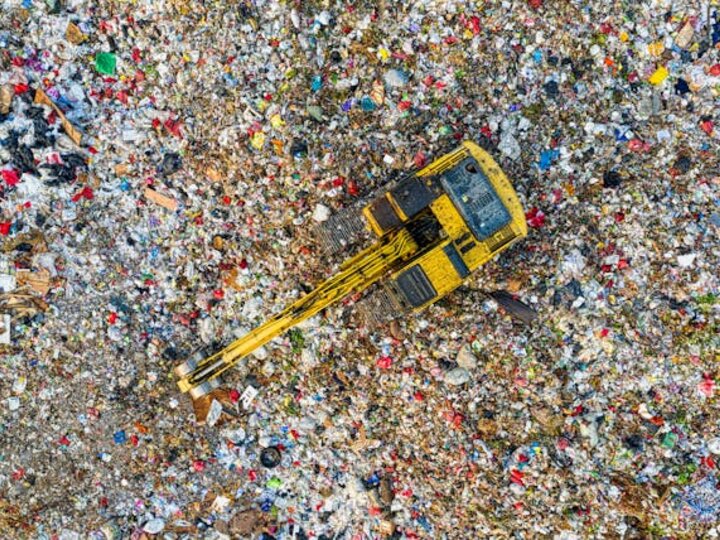
Waste Sites
Soil and water at or near landfills, disposal sites, and hazardous waste sites.
Food Packaging
Grease-resistant paper, microwave popcorn bags, pizza boxes, and candy wrappers.

Fire Extinguishing Foam
Used in training and emergency response events at airports and firefighting training facilities.

Biosolids
Fertilizer from wastewater treatment plants used on agricultural lands can affect ground and surface water.

Facilities
Chrome plating, electronics, and certain textile and paper manufacturers that produce or use PFAS.

Food
Fish caught from water contaminated by PFAS and dairy products from livestock exposed to PFAS.

Are PFAS Safe?
The more we learn about PFAS chemicals, the more we learn that certain PFAS can cause health risks even at very low levels. This is why anything we can do to reduce PFAS in water, soil, and air, can have a meaningful impact on health. The Environmental Protection Agency (EPA) is taking action too reduce PFAS in water and in the environment. You can also take action if you remain concerned about your own risk.
Research is ongoing to determine how exposure to different PFAS can lead to a variety of health effects. Studies have shown that exposure to certain levels of PFAS may lead to:
Cancer Effects
Increased risk of some cancers, including prostate, kidney, and testicular cancers.
Developmental Effects
Low birth weight, accelerated puberty, bone variations, or behavioral changes.
Weight Effects
Increased cholesterol levels and/or risk of obesity.
Reproductive Effects
Decreased fertility or increased high blood pressure in pregnant women.
Immune Effects
Reduced ability of the body's immune system to fight infections.
What We Don't Fully Understand Yet
Researchers across the country are working hard to answer questions about PFAS:
- How to better and more efficiently detect and measure PFAS in our air, water, soil, and wildlife.
- How much people are exposed
- How harmful PFAS are to people and the environment
- How to remove PFAS from drinking water
- How to manage and dispose of PFAS
Source:
United States Environmental Protection Agency. (2024, October 3). PFAS Explained. EPA. Retrieved January 30, 2025, from https://www.epa.gov/pfas/pfas-explained